




From Isolated Assays to System-Level Insight - A Collaborative Case Study Using an Integrated Digestive System-on-Chip

Early in oral compound development, many teams encounter the same frustrating pattern: in vitro data looks promising, yet downstream outcomes remain difficult to explain or reproduce.
This was exactly the situation faced by one industry research team we collaborated with.
Rather than questioning individual assays, they asked a deeper question:
What happens to an oral compound between ingestion and absorption that our current models don’t capture?
This newsletter shares how a system-level, collaborative approach helped connect existing data and reveal missing context—without replacing the team’s established toolbox.
1. The Collaboration Context
The partner team was developing orally administered compounds with well-characterized physicochemical properties. Their evaluation pipeline already included:
Standard dissolution testing
Single-compartment absorption models
In vivo reference data from prior programs
Yet absorption outcomes remained inconsistent.
As one researcher put it:
“We could measure individual steps, but we couldn’t explain the full behavior.”
2. Where Existing Models Fell Short
Through early technical discussions, several structural limitations became clear:
Digestion and absorption were evaluated independently
Time-dependent transformation during digestion was not observable
Downstream readouts lacked upstream context
Interpretation relied heavily on assumptions between assays
Each model worked as intended—but together, they failed to explain variability or support confident comparisons between formulations.
3. A Different Question: Studying the Oral Journey as a System
Instead of adding another isolated assay, the collaboration focused on reconstructing the oral journey as a continuous process.
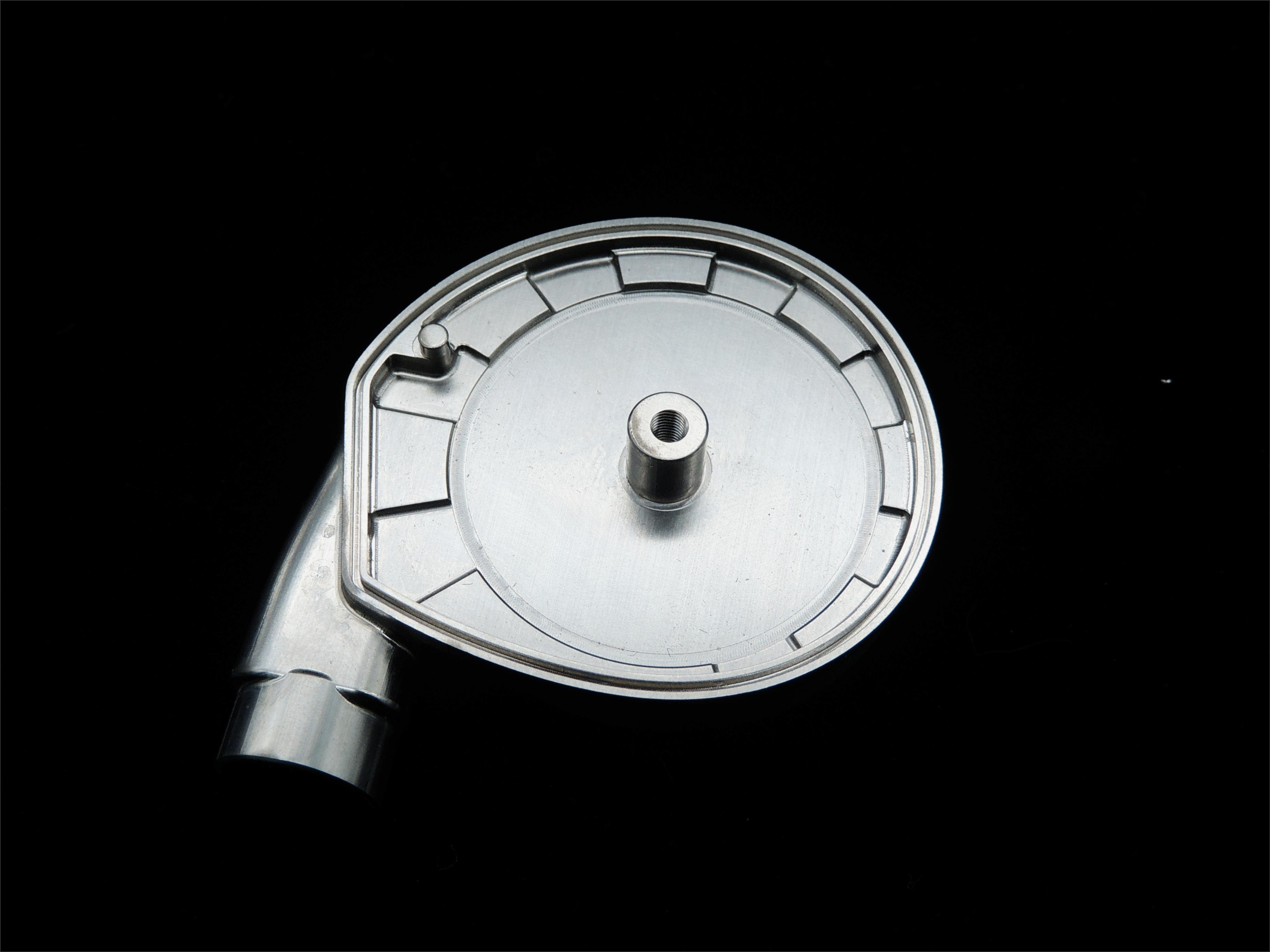
A multi-organ digestive system-on-chip was configured to integrate key digestive compartments into a single, dynamic platform. The compound progressed sequentially through digestion toward absorption under controlled, human-relevant conditions.
Key elements included:
Preservation of physiological sequence
Defined residence times between compartments
Continuous transport rather than static exposure
Quantitative absorption readouts linked to digestion historyConceptual schematic of the integrated digestive system-on-chip used in the collaboratio

4. What the Integrated System Revealed
When evaluated in the integrated system, several insights emerged that had not been visible in prior assays:
Compound behavior evolved during digestion in time-dependent ways
Upstream transformations influenced what reached the absorption interface
Apparent absorption variability could be traced back to digestion-phase dynamics
Importantly, these findings did not contradict existing data—they connected it.
5. Impact on the Partner’s Research Strategy
By observing digestion and absorption as a connected process, the team was able to:
Reinterpret inconsistent absorption results
Identify digestion-driven contributors to performance
Compare formulations with greater confidence
Reduce uncertainty in early-stage decision-making
As the team summarized:“It didn’t give us more data — it gave us an explanation.”
6. Why the Collaborative, Platform-Based Approach Mattered
A key factor was flexibility.
The digestive system-on-chip was not treated as a fixed, off-the-shelf assay, but as a configurable platform, adapted jointly to the partner’s research question.
This approach is particularly valuable when:
Mechanisms are not fully understood
Formulation-specific questions dominate
Existing models produce conflicting signals
7. Broader Implications for Oral Research
This case reflects a broader shift across oral research:
From isolated endpoints → process understanding
From single assays → system-level integration
From tool adoption → collaborative model development
As expectations for human relevance rise, integrated digestive platforms offer a way to study oral intake as it actually unfolds—rather than as disconnected steps.
Interested in a similar technical exchange? If your team is navigating questions around oral digestion, absorption, or formulation behavior that existing models struggle to explain, we’re always open to exploratory discussions.